


RETAIL & B2C SOLUTIONS
Bug Out Bag Builder
How a custom bag-builder web app with Amazon integration helped B.O.B.B. expand their business and offer a vast range of products with a user-first approach.
Project highlights
Retail & B2C organizations are constantly battling for market share. The online experience is the differentiation that makes the biggest impact.
A strong content management system brings brand stories to life and allows content creators, marketers and editors to work together behind the scenes. Beyond content creation, the right CMS give businesses the freedom to:
- Automate fulfillment processes and integrate systems to streamline workflows.
- Provide data, analytics and system monitoring.
- Become agile, responding and adapting quickly to consumer habits and needs.
Our work with Bug Out Bag Builder implemented a powerful content management system, streamlined fulfillment processes and laid the groundwork for a continuous improvement project that has helped the B2C company realize scalable growth.
Background
Customizable emergency preparedness solutions that required a dynamic content management system for scalable growth.
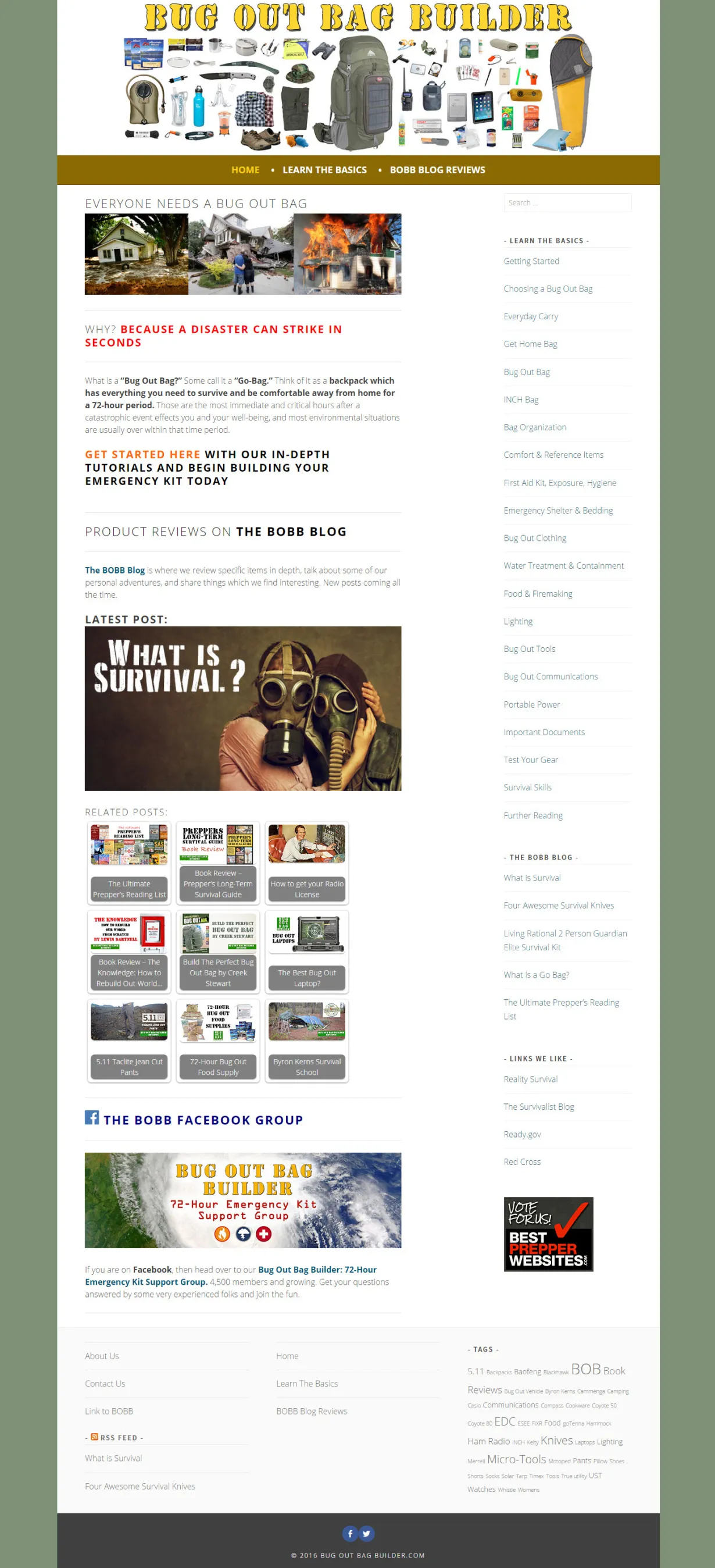
Bug Out Bag Builder (B.O.B.B.) allows its customers to create high-quality custom emergency preparedness bags filled with the items needed to sustain them during crisis evacuations or extreme survival situations. When B.O.B.B. first approached Acro Commerce, they were operating a simple blog built on a static website. They were looking for a platform that would allow their business to grow and outperform competitors.
Their unique business model and follower UX needs opened the way for the most customizable option out there: open source architecture.
Unlock Your Business Potential: Free Strategic Consultation
Discover actionable insights and tailored strategies to drive sustainable growth and overcome your unique business challenges.
Objective
What B.O.B.B. wanted to achieve from an Acro Commerce solution.
Bug Out Bag Builder knew what their followers wanted from their online customizable shopping experience.
Bug Out Bag Builder required:
- A seamless mix of product reviews and information with the ability to also easily purchase the product.
- A fun and interactive Bug Out Bag Builder application where customers can configure their own bag.
- Pre-built bug-out bag configurations curated by the B.O.B.B. experts.
- A sales, fulfillment and return process that is convenient and trusted.
And they understood their business objective:
- Increase referral sales.
- Better manage content.
- Create an interactive way to bundle products.
- Remain a referral-only business by utilizing Amazon for checkout, fulfillment and returns.
The challenge was designing a solution that made reusing content effective and efficient and enhancing the experience of their followers.
Solution
An integrated open architecture commerce solution that met B.O.B.B. 's operational needs.
At the heart of Bug Out Bag Builder’s business model, a one-stop shop for emergency and bug-out preparedness, is a ton of content to share. They provide their large following with the appropriate information required to make an educated purchasing decision to stay safe in all situations.
After in-depth conversations and consultation, the team determined that B.O.B.B needed a powerful content management system to address their need for efficient content sharing, better customer experience, and higher conversion rates. B.O.B.B. had to look beyond a simple blog built on a static website to a full-featured CMS capable of hosting the unique ecommerce experience they desired.
Enter Drupal Commerce. Designed to be adaptable and scale with ease, B.O.B.B recognized that this would be the platform that would make their website hopes a reality.
Beyond content management, a digital solution also had to support referral sales programs and link readers to specific products found on Amazon. With Amazon referral sales accounting for the mass majority of their revenue stream, Bug Out Bag Builder needed a solution that allowed readers to create custom bug-out bags and then purchase all those items at once from Amazon.
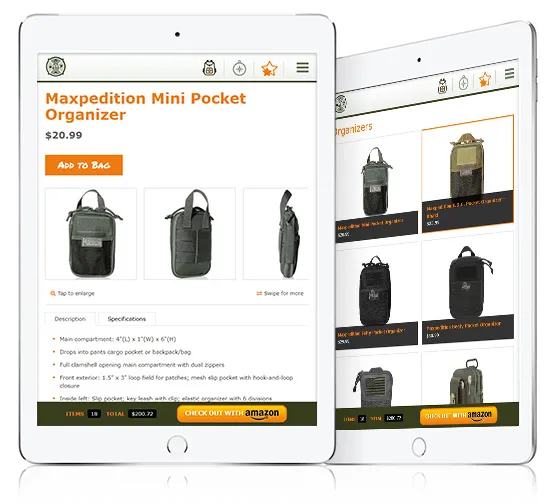
Wishlist, a custom-built module, enabled B.O.B.B. site users to pre-build several survival bags and add them to a cart with various products ready for checkout on Amazon. Before this, B.O.B.B.’s website provided Amazon Affiliate links to each product; the customer would follow each link and add the product manually to their Amazon cart.
- Commerce Wishlist — This module enabled B.O.B.B. site users to pre-build various survival bags with multiple products ready for checkout on Amazon. Users could build their own bags or customize the pre-built bags and have these changes saved, so they could leave and return to checkout at a later date. These features made the site highly usable and simple for users to create custom Bug Out Bags.
In addition, Acro Commerce created a great UX site flow for both desktop and mobile. Since 50% of B.O.B.B. users come from mobile devices, building a simple, easy-to-use process to add products to the cart for these customers was crucial.
Outcome
An effective, responsive, and flexible experience-led content and commerce solution that increased usability to deliver an overall better follower experience and increased conversions.
The new open architecture allowed B.O.B.B. to:
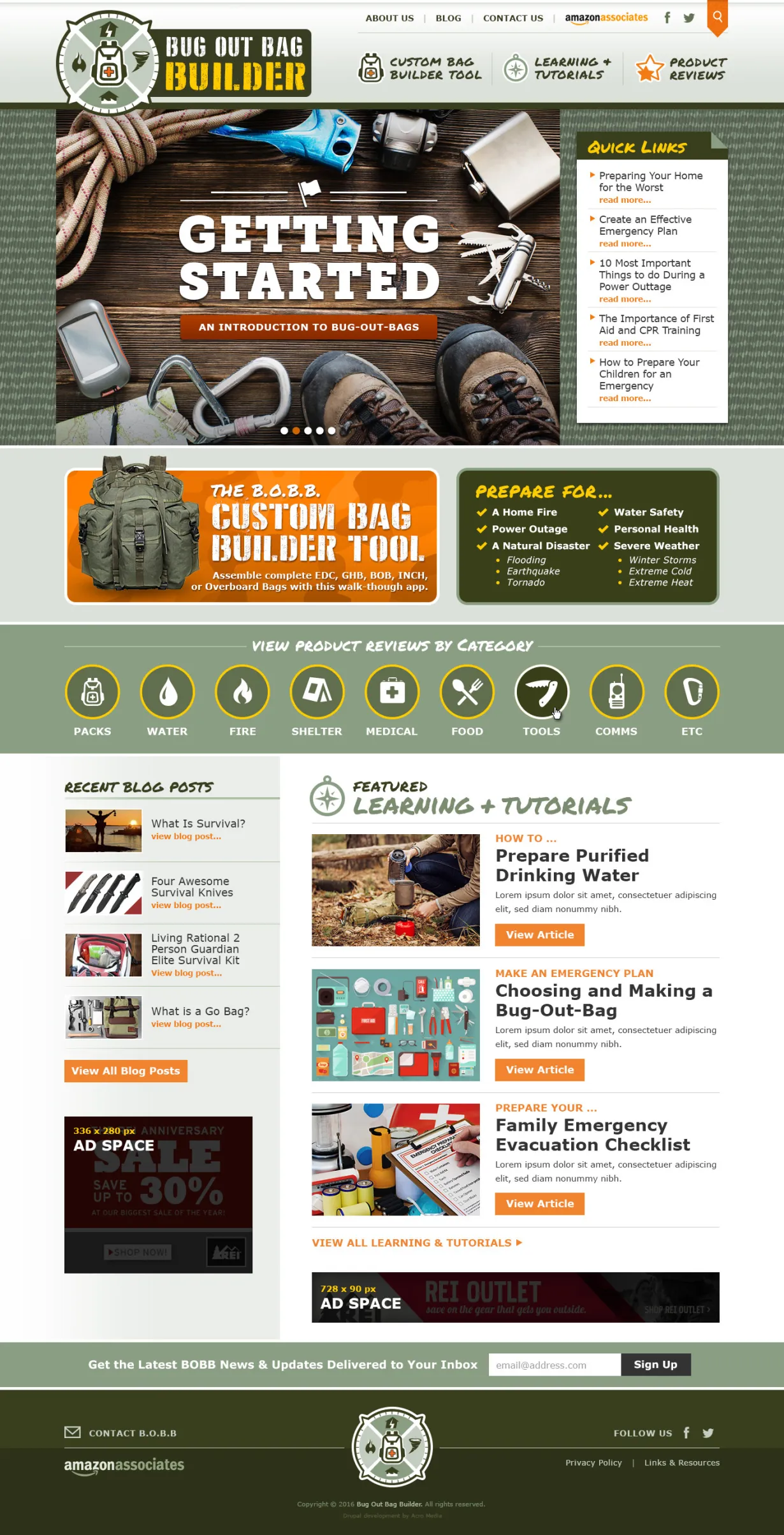
- Easily distribute different types of reusable content.
- Content has a specific home within the site, but each piece is categorized, searchable, and easily referenced by other content.
- Content can be featured on the homepage with a click of a button.
- Reviews can be attached to products within the custom Bug Out Bag Builder product pages.
- Provide users with a catalogue for holding the product information and a wishlist for purchasing bundling products.
- Custom integration between Drupal Commerce and Amazon transfers the wishlist information to Amazon.
After the launch, the site saw a considerable increase in organic traffic. By considerable, we are talking about an increase of 1,500 times the number of visitors three months post-launch compared to the three months before the launch.
Project features
Improved experience design
BEFORE
AFTER
Unlock Your Business Potential: Free Strategic Consultation
Discover actionable insights and tailored strategies to drive sustainable growth and overcome your unique business challenges.