


Decoupled bigcommerce
We Build B2B BigCommerce Sites That Scale With Your Business
BigCommerce provides robust B2B tools and an open architecture. But, as product complexity, buyer roles, and regional needs grow, BigCommerce’s features and plan thresholds can force workarounds.
A decoupled build frees your storefront from platform limits.
| Video: Thinking of using BigCommerce for your B2B manufacturing? Shae Inglis, CEO of Acro Commerce, shows how to move beyond the built-in features to create a truly seamless system that scales with your business. Download: Get our cheat sheet. |
Decoupled BigCommerce sites like these
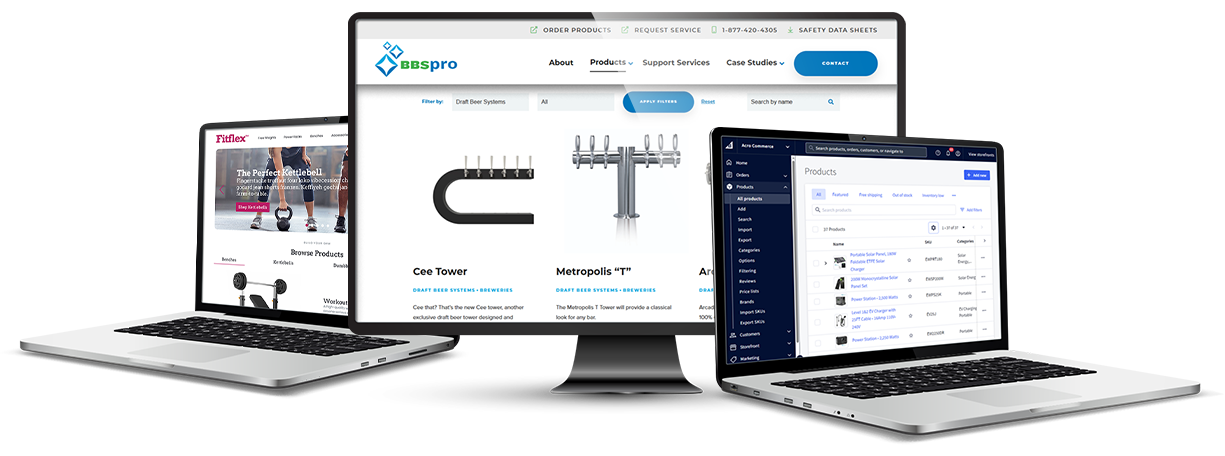
Manufacturers like Diono, Karava, and Combat Corner have already turned to headless BigCommerce to modernize without ripping out their core systems. Acro Commerce helps manufacturers do the same, bridging ERPs, catalogs, and platforms so digital growth happens without disruption.
Trusted by Industry Leaders
“Discovery & Strategy showed us exactly where native BigCommerce would work and where it wouldn’t. We avoided rework and shipped a site our teams actually use.”
— VP of Operations, Crescent Supply Group
Challenges
What most B2B merchants realize too late
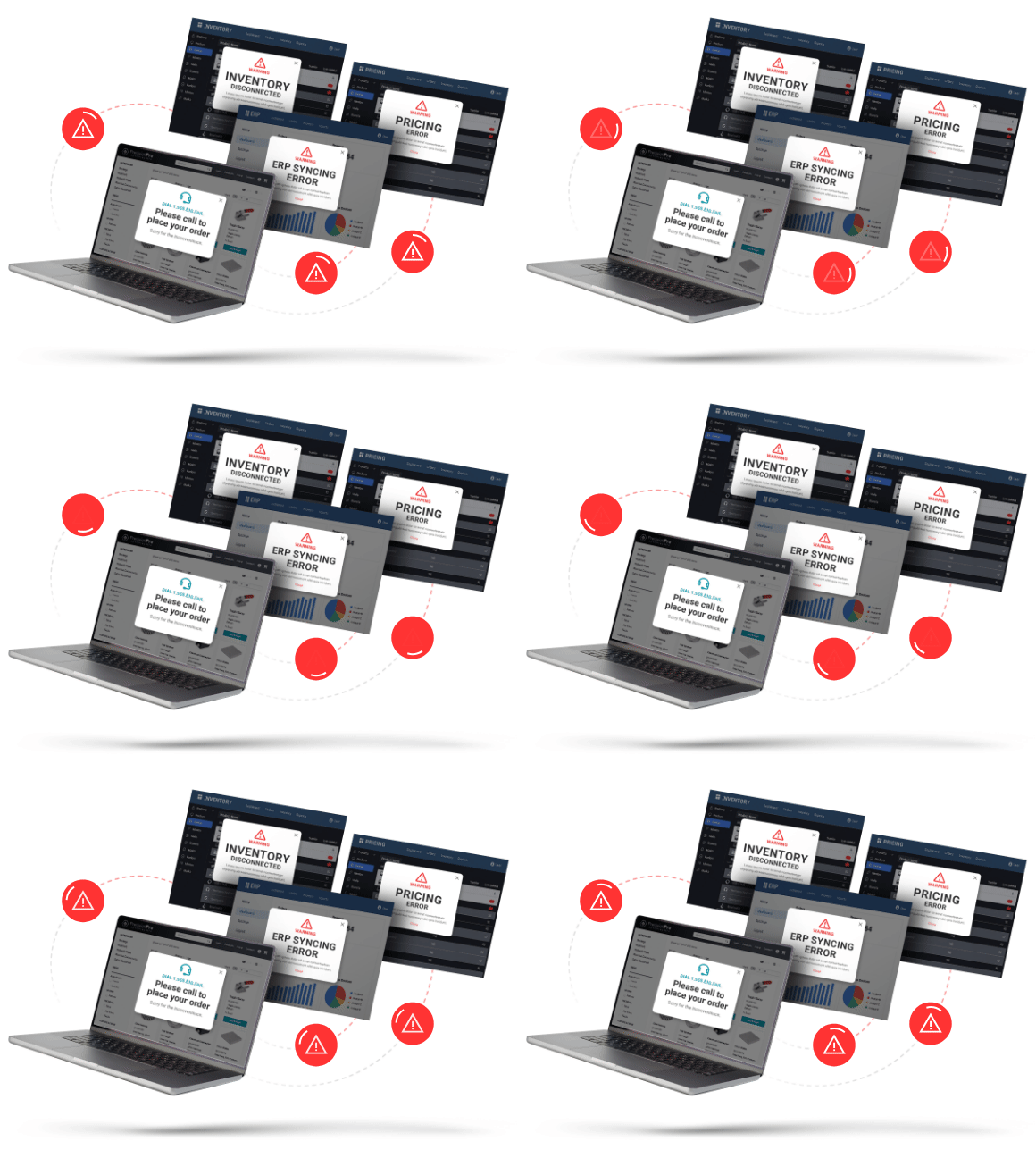
Buyers expect self-service
75% of B2B buyers prefer a rep-free sales experience.
— Gartner, B2B Buying Journey
Buying stalls without a strong digital path
86% of B2B purchases stall, and 81% of buyers are dissatisfied with providers.
— Forrester, The State of Business Buying, 2024
High-value deals are moving online
70% of decision-makers are open to making self-serve or remote purchases over $50,000.
— McKinsey, How COVID-19 Has Changed B2B Sales Forever
Leaders want more digital self-service
81% of B2B buyers say they need more self-service and web-based tools.
— Deloitte, Reframing Revenue Growth in B2B Commerce
Platform considerations we assess in Discovery & Strategy
BigCommerce offers many native B2B features, but complexity grows fast when your catalog, buyer roles, or regional operations scale.
Planning around these requirements upfront lets you know whether BigCommerce native features suffice, or whether a decoupled build will offer you scale, flexibility, and fewer surprises.
- Product and variant limits: Plan how many SKUs, variants, and option groups you’ll need. BigCommerce enforces limits per plan, and exceeding them (variants, product options) can force workarounds or upgrades.
- Price Lists & customer-specific pricing: Using Price Lists (customer groups) and Catalog visibility settings early ensures correct pricing and product access per buyer. Native tools support this, but configurations can become complex as buyer tiers increase.
- Multi-Storefront / Regional Stores: If you’re operating in multiple regions, brands, or markets, BigCommerce’s multistorefront capabilities may seem sufficient, but differences in tax, inventory, language, content, and locale can demand decoupled content and frontend workflows.
- Buyer roles, quote & approval flows: The B2B Edition includes buyer roles and quote tools, but custom quoting, multi-step approval, or contract terms often require additional logic or custom dev. Plan how complex these flows are.
- Checkout customization & integrations: Native checkout is robust, but many B2B merchants need advanced terms (Net-30, PO number input, custom tax rules, custom payment methods), or integration with ERP/CRM for credit checking and order validation. Testing which integrations or apps work smoothly with BigCommerce native is key.
Results
What a Decoupled BigCommerce build makes possible
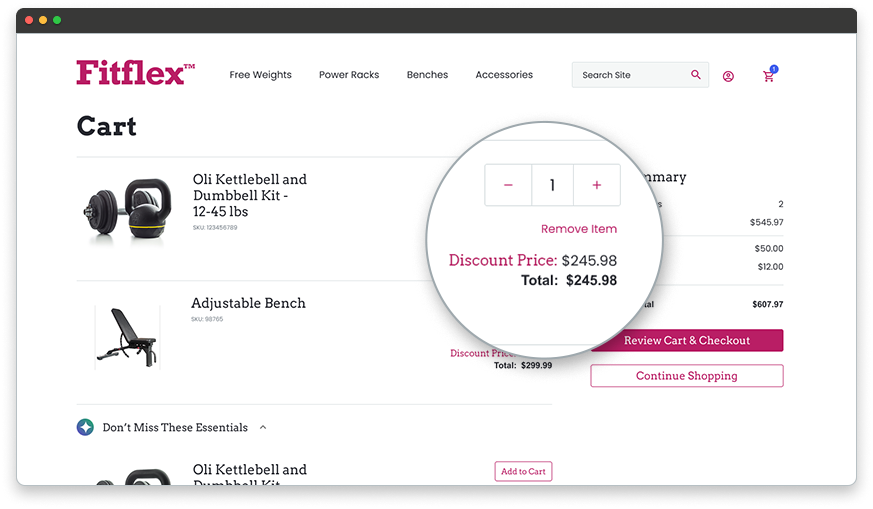

Buyer-specific pricing at checkout
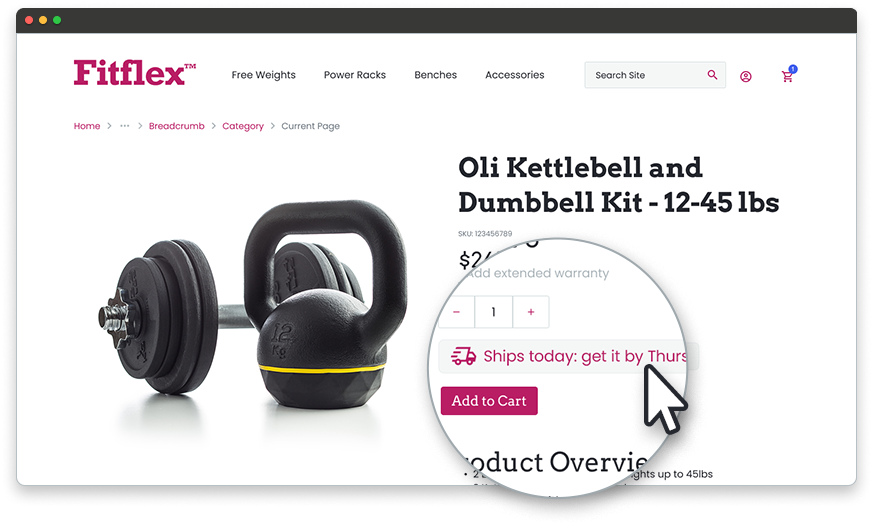
Inventory by location with delivery promises
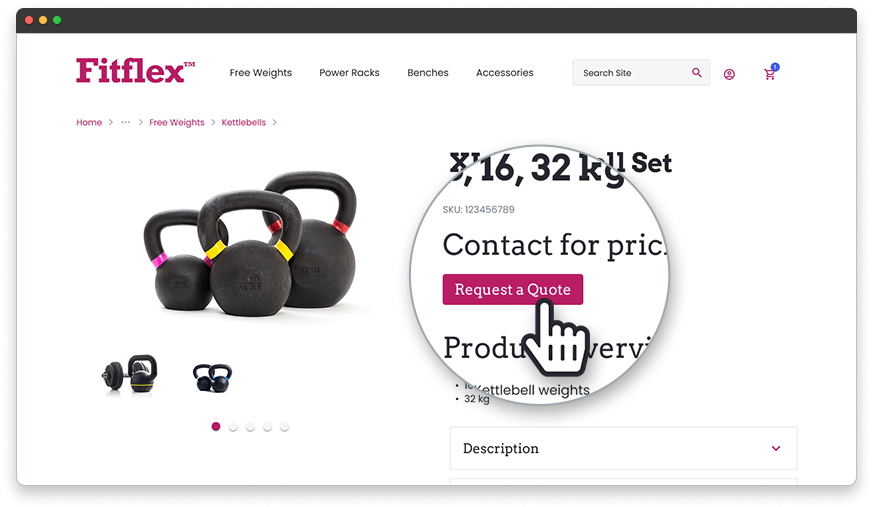
Quotes, roles, and approvals that match your business
Multi-region storefronts without duplication
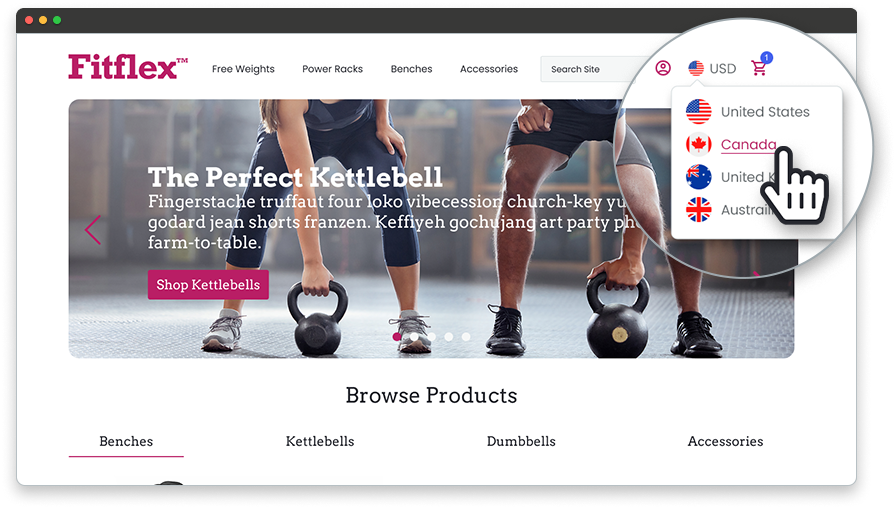
And the business impact is measurable.
Companies that lead in customer experience grow their revenue two to three times faster than their peers.
— McKinsey, Experience-Led Growth: A New Way to Create Value

“Discovery & Strategy gives our clients the clarity to move forward with confidence. By mapping priorities, risks, and opportunities first, we create a foundation that makes every build more effective and every investment easier to measure.”
— Davis Froese, Acro Commerce Account Manager
Ready to plan a BigCommerce site that works for your business?
Through our 4-step Discovery & Strategy framework, we map product, pricing, roles, and regional complexity up front. You’ll know exactly what fits with BigCommerce out of the box, and where decoupling will pay off.
The result is a build-ready plan that delivers from day one.
What we offer
BigCommerce builds that fit your business
Every business is different. That's why we:
- Audit where native BigCommerce matches your requirements and where gaps exist.
- Plan an API-led architecture for ERP, pricing, approvals, and multi-storefront scale.
- Use Gesso, our decoupled frontend framework, so non-IT teams can update content and UX without touching backend logic.
- Deliver a front-end that adapts as your catalog and markets grow.
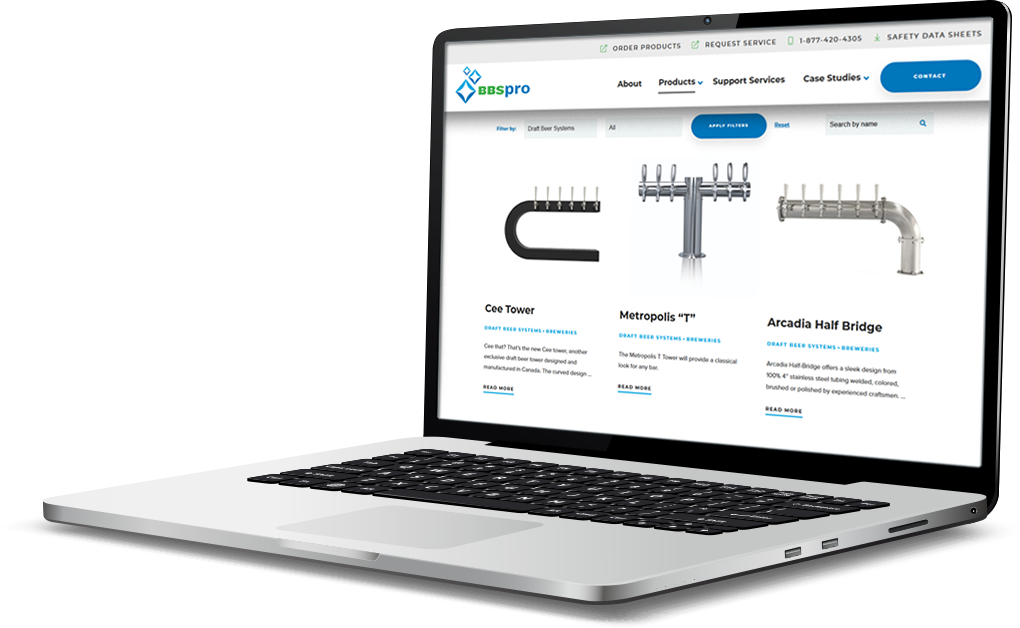
Decoupled BigCommerce for B2B
Thinking of using BigCommerce for your B2B manufacturing?
Shae Inglis, CEO of Acro Commerce, shows how to move beyond the built-in features to create a truly seamless system that scales with your business, not against it.
Decoupled bigcommerce
Frequently Asked Questions
BigCommerce’s native B2B Edition is excellent for standard wholesale. However, manufacturers with unique operational requirements—like complex warranty claims or engineered-to-order products—often hit a "functionality ceiling." Decoupled BigCommerce for B2B removes these limits. It allows us to build a custom frontend that matches your exact business rules while still using BigCommerce’s robust engine for the heavy lifting.
Yes. This is a primary driver for decoupling. We can build custom guided selling tools that sit on top of the BigCommerce API. This allows buyers to configure complex machinery or kits visually. The system then generates precise quotes & approval workflows that route directly to your engineering or sales team, bypassing the limitations of standard "variant pickers."
Standard "app store" connectors often fail when data gets heavy. By decoupling, we build a direct pipeline between your ERP integration and the frontend. This supports multi-source fulfillment and ensures that complex logic — like split shipments across different warehouses — is handled correctly, rather than forcing your operations to adapt to the ecommerce platform’s rigid defaults.
No. A common fear is becoming "locked into developer reliance". We prevent this by integrating a user-friendly Headless CMS (like Sanity or Contentful). This gives your marketing team more freedom than the native editor, allowing them to build rich landing pages and campaigns without touching a line of code, while the transactional data remains secure in BigCommerce.
It drastically improves it. B2B catalogs with thousands of SKUs and complex pricing rules can slow down native templates. A decoupled frontend loads content instantly because it is optimized specifically for speed, independently of the backend database calls. This results in faster page loads, better SEO rankings, and higher conversion rates on mobile devices.
Absolutely. Native platforms often lock data inside their proprietary structures. A decoupled architecture exposes your data via API, making it fully AI-ready. This allows you to easily plug in third-party AI tools for semantic search, automated cross-selling, or customer service bots without waiting for the platform to release those features.
Ready to get started?
It’s time to build for the people who will use your BigCommerce site every day
With the right planning, you get a BigCommerce build that works for buyers, supports your staff, and scales with your roadmap.